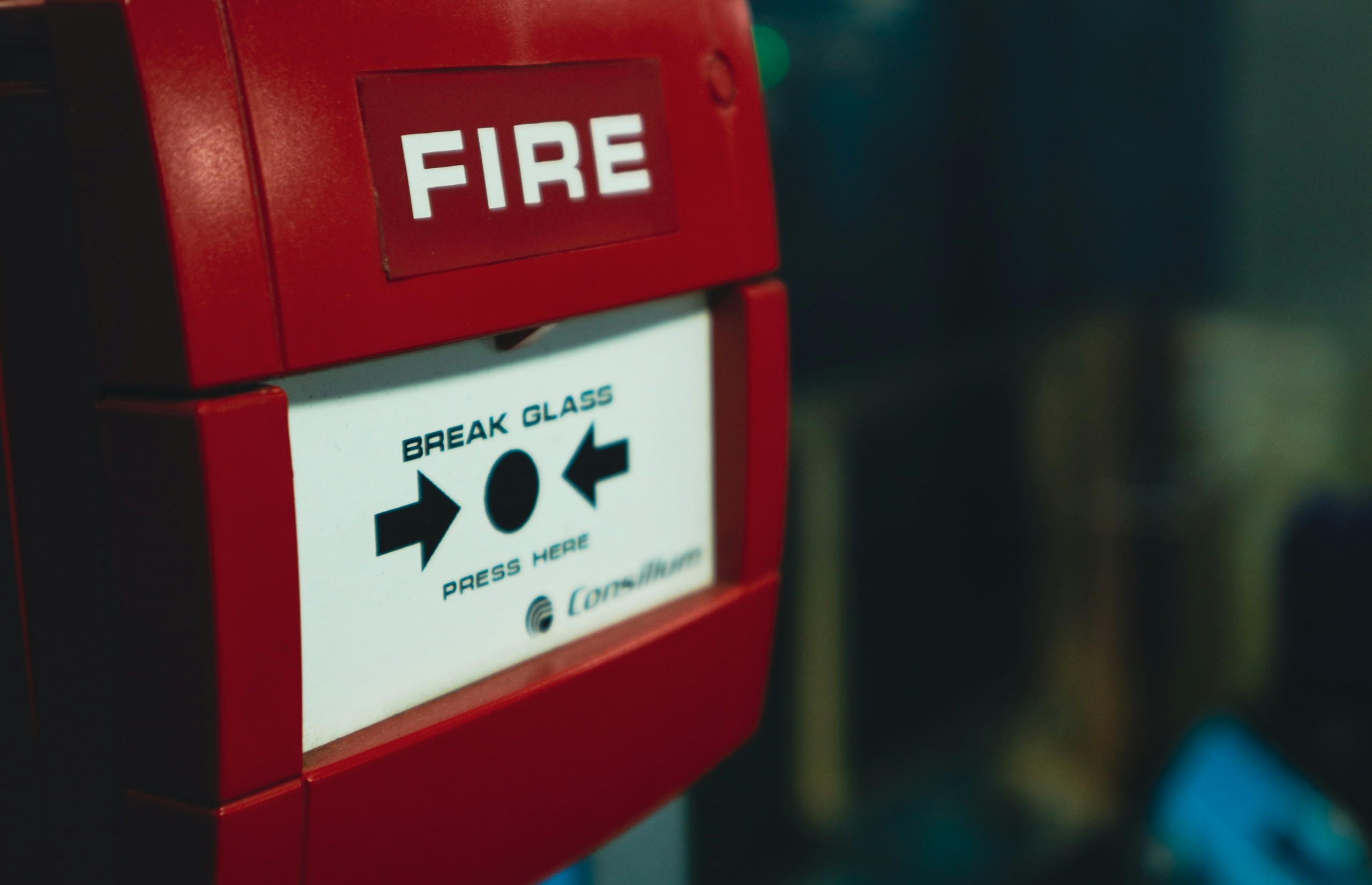
What Is a Fire Risk Assessment and Why Every UK Business Needs One in 2026
Fire safety is no longer a background concern for UK businesses – it is now a critical compliance requirement that directly affects staff safety, legal responsibility, insurance cover and reputation. As we move into 2026, fire regulations are being more closely scrutinised than ever, and organisations of all sizes are expected to demonstrate a proactive approach to fire risk management. At the centre of this responsibility is the fire risk assessment.
Whether you operate from a single office, manage a portfolio of rental properties or oversee a multi-site commercial operation, understanding what a fire risk assessment is and why it matters could quite literally save lives.
What Is a Fire Risk Assessment?
A fire risk assessment is a structured, systematic review of your premises to identify fire hazards, evaluate the level of risk, and determine what steps are required to reduce or eliminate those risks. It is not a tick-box exercise or a one-off task; it is a living document that should evolve as your building, occupancy or working practices change.
In the UK, fire risk assessments are required under the Regulatory Reform (Fire Safety) Order 2005. This legislation places legal responsibility on the “responsible person” – typically the business owner, employer, managing agent or landlord – to ensure that a suitable and sufficient assessment is carried out and kept up to date.
A compliant fire risk assessment considers:
-
How fires could start within the building
-
Who is at risk and how they may be affected
-
The adequacy of fire detection, alarms and emergency lighting
-
Escape routes and emergency exits
-
Fire doors, compartmentation and fire stopping
-
Firefighting equipment and signage
-
Training, evacuation plans and fire safety procedures
Who Needs a Fire Risk Assessment?
In short – almost everyone. If your building is not a single private dwelling, you will almost certainly need one.
Fire risk assessments are required for:
-
Offices and business premises
-
Retail units and shopping centres
-
Warehouses and industrial sites
-
Schools, colleges and universities
-
Hotels, guest houses and HMOs
-
Care homes and healthcare settings
-
Apartment blocks and communal areas
-
Construction and refurbishment projects
Even small businesses with only a handful of employees must comply. There is no exemption based on company size, number of staff or business turnover.
What Happens If You Don’t Have One?
Failing to carry out a suitable fire risk assessment can have serious consequences. Local fire authorities have the power to inspect your premises, issue enforcement notices, and in severe cases, close buildings down until safety issues are resolved.
Penalties can include:
-
Unlimited fines
-
Prosecution and criminal charges
-
Invalidated insurance policies
-
Civil claims following fire incidents
-
Serious reputational damage
With enforcement increasing across the UK, 2026 is shaping up to be a year when businesses can no longer afford to overlook their fire safety responsibilities.
What Makes a Fire Risk Assessment “Suitable and Sufficient”?
Not all fire risk assessments are created equal. Many businesses fall into the trap of using generic templates or low-cost online forms that fail to address the unique risks of their property.
A suitable and sufficient assessment should be:
-
Conducted by a competent, qualified professional
-
Specific to your building layout, use and occupancy
-
Clearly written, with actionable recommendations
-
Supported by photographic evidence where appropriate
-
Reviewed regularly and updated after any changes
This is where FireRA’s professional fire risk assessment services offer real value. Their assessments go far beyond compliance paperwork – they provide clarity, practical solutions and peace of mind.
The FireRA Approach to Fire Risk Assessments
FireRA is a specialist fire safety consultancy delivering professional fire risk assessments across the UK. Their team combines real-world experience with in-depth regulatory knowledge, ensuring your assessment is both legally compliant and genuinely useful.
Every FireRA assessment is carried out onsite, with a detailed inspection of your premises and a structured evaluation of risks. They don’t just highlight problems – they explain them clearly and advise on realistic, cost-effective solutions.
This practical, transparent approach is why so many property managers, landlords, developers and business owners rely on FireRA to manage their fire safety responsibilities.
Why Fire Risk Assessments Matter More Than Ever in 2026
The UK fire safety landscape has changed dramatically in recent years, particularly following the introduction of the Fire Safety Act 2021 and the Building Safety Act 2022. These reforms have strengthened accountability and clarified that building owners and managers must take fire safety seriously.
In 2026, businesses face:
-
Increased scrutiny from fire authorities
-
Greater emphasis on high-risk buildings and multi-occupied premises
-
A growing requirement for supporting documentation such as D12 Fire Statements and fire strategy reports
-
Heightened awareness from insurers and investors
Fire risk assessments now sit at the heart of wider building safety management, forming the foundation for audits, fire strategies, training programmes and compliance reporting.
How Often Should Fire Risk Assessments Be Reviewed?
Although the law does not specify a fixed timeframe, best practice recommends reviewing your fire risk assessment at least annually.
You should also update it whenever:
-
You alter the layout of the building
-
There is a change in occupancy or use
-
New equipment or processes are introduced
-
A fire incident or near-miss occurs
-
Refurbishment or structural changes take place
FireRA can provide ongoing support, ensuring your assessments remain current and defensible.
The Hidden Business Benefits
Beyond compliance, a well-managed fire risk assessment programme brings genuine commercial advantages.
It helps to:
-
Reduce the likelihood of business disruption
-
Improve staff confidence and morale
-
Strengthen insurance positioning
-
Demonstrate corporate responsibility
-
Protect long-term asset value
Fire safety is not just a regulatory necessity – it is a smart business investment.
Final Thoughts
A fire risk assessment is not simply about satisfying a legal requirement. It is about protecting people, preserving property and safeguarding your business future.
In 2026, with regulations tightening and enforcement increasing, UK businesses must move away from reactive fire safety and embrace a proactive, professional approach.
By working with specialists such as FireRA, you ensure that your premises are not only compliant, but genuinely safe – today and for years to come.