
Running a business in London comes with many responsibilities, and one of the most important is ensuring your premises are safe from fire risks. Whether you operate a small office, retail shop, warehouse, restaurant, apartment block, or commercial facility, fire safety is not something that can be overlooked. In 2026, with stricter regulations, growing awareness

As construction and property development continue to grow across the South East, fire safety has become one of the most important considerations during the planning, design, and construction process. Developers, architects, contractors, and building owners are all under increasing pressure to ensure that buildings are designed with safety at the forefront from the very beginning.

Fire safety is a critical responsibility for every commercial property owner, landlord, facilities manager, and business operator across the South East. While many businesses focus on alarms, extinguishers, and evacuation procedures, one of the most important fire safety features within any building is often overlooked — the fire door. Fire doors play a vital role

Fire safety has become a major consideration within the planning and development sector across the UK, particularly for larger residential and mixed-use developments. As regulations continue to evolve, developers, architects, planning consultants, and property owners throughout the South East are increasingly required to provide detailed fire safety information at the earliest stages of a project.
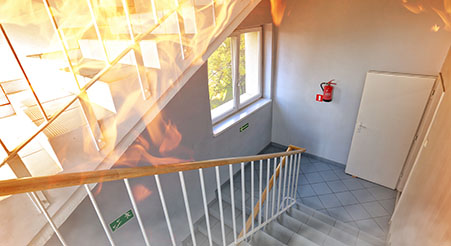
Fire safety remains one of the most important responsibilities for businesses across the South East. Whether you operate a retail shop, office, warehouse, restaurant, school, care home, or industrial premises, ensuring your building is safe from fire risks is not only a legal obligation but also a crucial part of protecting staff, customers, visitors, and

Fire safety is not a one-time task — it’s an ongoing responsibility that requires regular attention, expert oversight, and a proactive approach. For businesses and landlords across Hampshire, effective fire safety management ensures continued compliance while protecting people, property, and operations. At FireRA, we provide comprehensive fire safety management services throughout Hampshire, supporting clients with
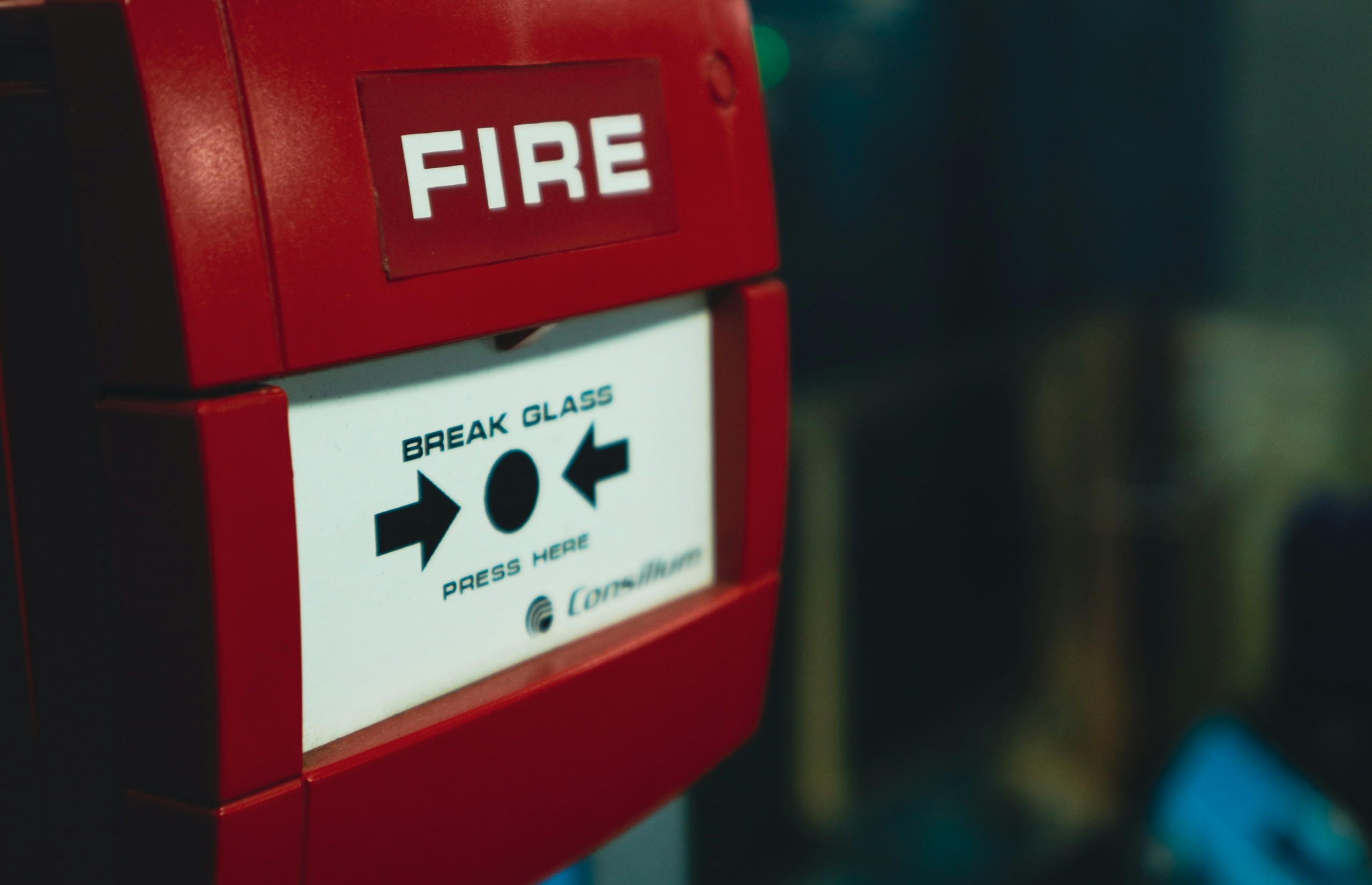
Fire safety is a legal and moral responsibility for businesses and property owners across West Sussex. Whether you manage an office in Crawley, a retail space in Chichester, or an HMO in Worthing, ensuring your premises are safe and compliant is essential. At FireRA, we provide professional fire risk assessments throughout West Sussex, helping organisations
-
Fire safety is no longer just about meeting minimum standards — it’s about creating safer environments through informed decisions, expert guidance, and proactive planning. For businesses, landlords, and property managers across Essex, fire safety consultancy provides the insight needed to navigate complex regulations and reduce risk effectively. At FireRA, we deliver professional fire safety consultancy
-
For property owners and managers in Hertfordshire, understanding the difference between fire door inspections and fire risk assessments is essential. While both play a critical role in fire safety, they serve very different purposes — and relying on one without the other can leave serious gaps in your compliance. At FireRA, we provide both fire
-
For businesses across Buckinghamshire, fire safety is about far more than compliance — it’s about protecting your people, your premises, and your bottom line. Whether you operate an office in High Wycombe, a warehouse in Milton Keynes, or a retail unit in Aylesbury, a professional fire risk assessment is essential. At FireRA, we provide expert

Links
Head Office
Saxon House
Stephenson Way
Crawley
West Sussex RH10 1TN
Tel: 020 3936 9826
Email: enquiries@firera.co.uk