Common Fire Safety Risks in Commercial Buildings and How to Reduce Them
Fire safety is a critical responsibility for businesses across the UK. Commercial buildings such as offices, warehouses, retail premises, restaurants, and industrial units all present potential fire risks that must be carefully managed. Even in modern buildings with fire safety systems in place, hazards can still arise if proper precautions are not taken.
Understanding the most common fire safety risks in commercial buildings is the first step towards preventing incidents and protecting both people and property. Through effective planning, regular inspections, and professional fire risk assessments, businesses can significantly reduce the likelihood of fires occurring.
This article explores the most common fire hazards found in commercial properties and outlines practical steps organisations can take to improve fire safety.
Electrical Equipment and Faulty Installations
Electrical systems are one of the leading causes of fires in commercial buildings. Businesses often rely on a wide range of electrical equipment, including computers, printers, machinery, lighting systems, and kitchen appliances.
Problems can arise when electrical systems are poorly maintained or overloaded. Common issues include:
-
Overloaded sockets or extension leads
-
Faulty wiring or outdated installations
-
Damaged cables and plugs
-
Equipment that overheats due to heavy use
Electrical faults can generate heat and sparks, which can quickly ignite nearby materials.
How to Reduce Electrical Fire Risks
Businesses can reduce electrical hazards by:
-
Carrying out regular electrical inspections
-
Avoiding overloading sockets or extension cables
-
Ensuring portable appliances are tested where appropriate
-
Replacing damaged or outdated electrical equipment
-
Using qualified electricians for any installation work
Keeping electrical systems properly maintained is one of the most effective ways to prevent fire incidents.
Improper Storage of Flammable Materials
Many commercial buildings store materials that can easily catch fire. These may include:
-
Cleaning chemicals
-
Packaging materials such as cardboard
-
Paper and documents
-
Flammable liquids
-
Industrial chemicals or fuels
If these materials are stored close to ignition sources, the risk of fire increases significantly.
In some environments, particularly warehouses and manufacturing facilities, large quantities of combustible materials can create a substantial fire load.
Safe Storage Practices
To minimise risk, businesses should:
-
Store flammable materials in designated areas
-
Keep combustible materials away from heat sources
-
Use appropriate fire-resistant storage containers where required
-
Maintain good housekeeping practices to avoid waste build-up
Clear storage procedures can dramatically reduce the likelihood of fires starting or spreading.
Blocked or Poorly Maintained Escape Routes
In the event of a fire, safe evacuation is essential. Unfortunately, blocked escape routes are a common issue in many commercial buildings.
Escape routes can become obstructed by:
-
Stored equipment or stock
-
Furniture placed in corridors
-
Locked or restricted fire exits
-
Poorly maintained emergency lighting
Even minor obstructions can slow evacuation and increase the risk of injury during an emergency.
Maintaining Safe Escape Routes
Businesses should ensure that:
-
Fire exits remain clear at all times
-
Escape routes are clearly marked with signage
-
Emergency lighting is installed and regularly tested
-
Fire doors are not wedged open or obstructed
Routine inspections can help ensure that evacuation routes remain accessible.
Inadequate Fire Detection and Alarm Systems
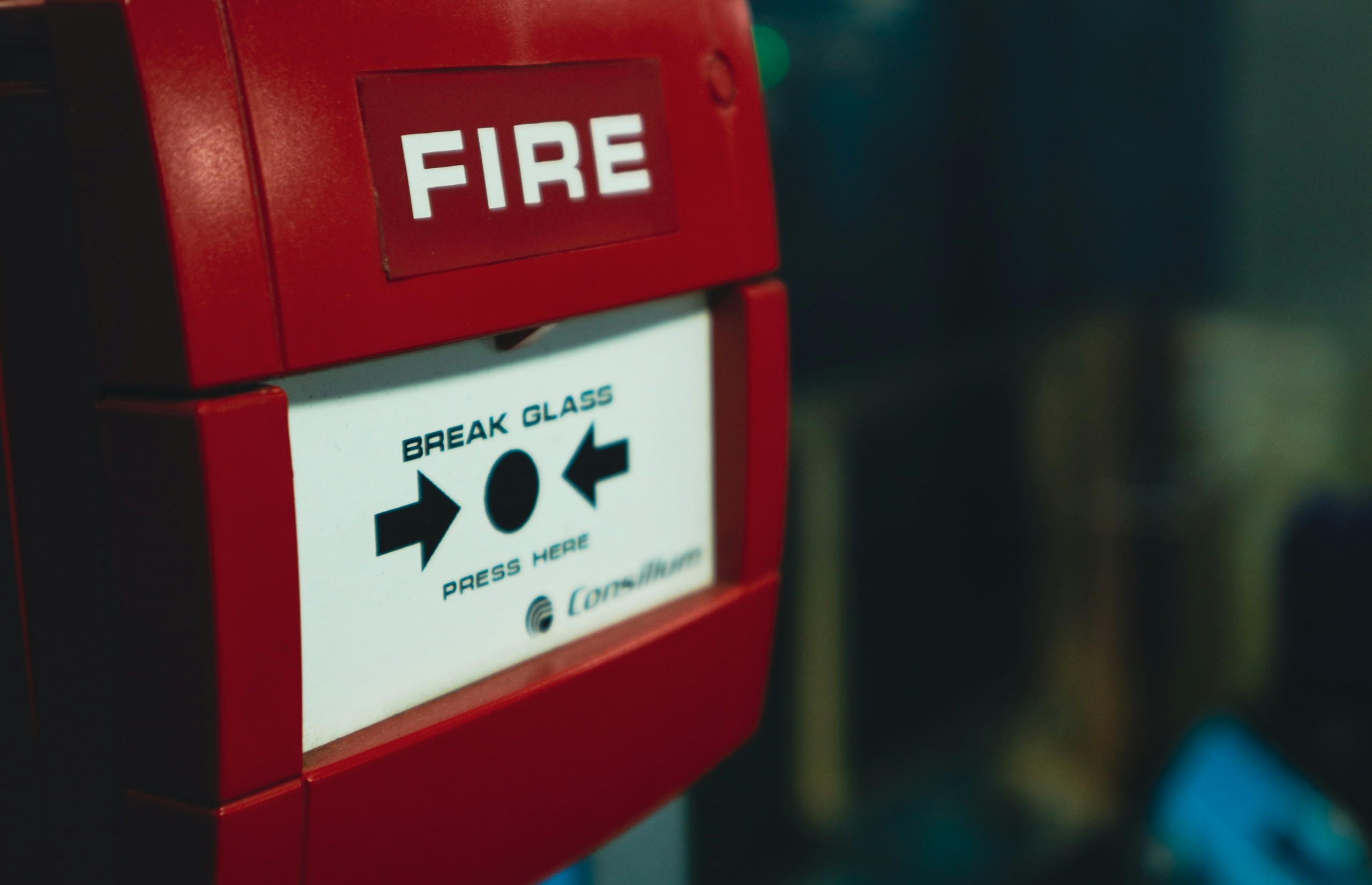
Early detection is essential for controlling fires and ensuring occupants can evacuate safely. Without an effective fire alarm system, a fire may spread before anyone is aware of the danger.
In some buildings, alarm systems may be outdated, poorly maintained, or insufficient for the building layout.
Problems can include:
-
Faulty smoke detectors
-
Inadequate coverage in certain areas
-
Alarm systems that are not regularly tested
-
Lack of manual call points
Improving Fire Detection
To reduce risk, businesses should:
-
Install appropriate fire detection systems for the building type
-
Test alarm systems regularly
-
Arrange professional maintenance for fire safety equipment
-
Ensure staff understand how to raise the alarm
Reliable fire detection systems provide valuable time for evacuation and emergency response.
Lack of Staff Awareness and Training
Even the best fire safety equipment cannot replace the importance of staff awareness. Employees must understand how to respond if a fire occurs.
Without training, staff may:
-
Fail to recognise fire hazards
-
Delay raising the alarm
-
Attempt unsafe actions during an emergency
-
Become confused about evacuation procedures
This can increase risk for both staff and visitors.
Strengthening Fire Safety Awareness
Businesses should provide basic fire safety training that covers:
-
How to recognise fire hazards
-
How to raise the alarm
-
Evacuation procedures
-
The location of fire exits and assembly points
Regular fire drills can also help employees become familiar with emergency procedures.
Poor Maintenance of Fire Safety Equipment
Fire safety equipment plays a crucial role in preventing small fires from becoming major incidents. However, equipment such as fire extinguishers, alarms, and emergency lighting must be properly maintained to function correctly.
Common issues include:
-
Expired or unserviced fire extinguishers
-
Faulty alarm systems
-
Damaged fire doors
-
Emergency lighting that does not operate during power failure
Without regular maintenance, these systems may fail when they are needed most.
Maintaining Fire Safety Systems
Businesses should implement a routine inspection and maintenance schedule that includes:
-
Regular servicing of fire extinguishers
-
Testing of alarm systems and detectors
-
Inspection of fire doors and emergency lighting
-
Documentation of maintenance activities
Professional servicing ensures that equipment remains reliable and compliant with regulations.
The Importance of Fire Risk Assessments
Many of the risks outlined above can be identified through a professional fire risk assessment. These assessments provide a structured evaluation of fire hazards within a building and recommend practical steps to reduce risk.
A fire risk assessment typically reviews:
-
Potential ignition sources
-
Combustible materials and storage practices
-
Escape routes and evacuation plans
-
Fire detection and alarm systems
-
Fire safety management procedures
For businesses, regular assessments are essential for maintaining compliance with UK fire safety legislation.
Creating a Safer Workplace Environment
Fire safety is not simply about installing alarms and extinguishers. It requires a proactive approach that includes identifying hazards, maintaining safety systems, and ensuring that staff understand their responsibilities.
By addressing common fire risks early, businesses can significantly reduce the likelihood of serious incidents.
A safe workplace benefits everyone—from employees and visitors to property owners and business operators. With the right precautions in place, commercial buildings can remain secure environments where people can work and operate with confidence.