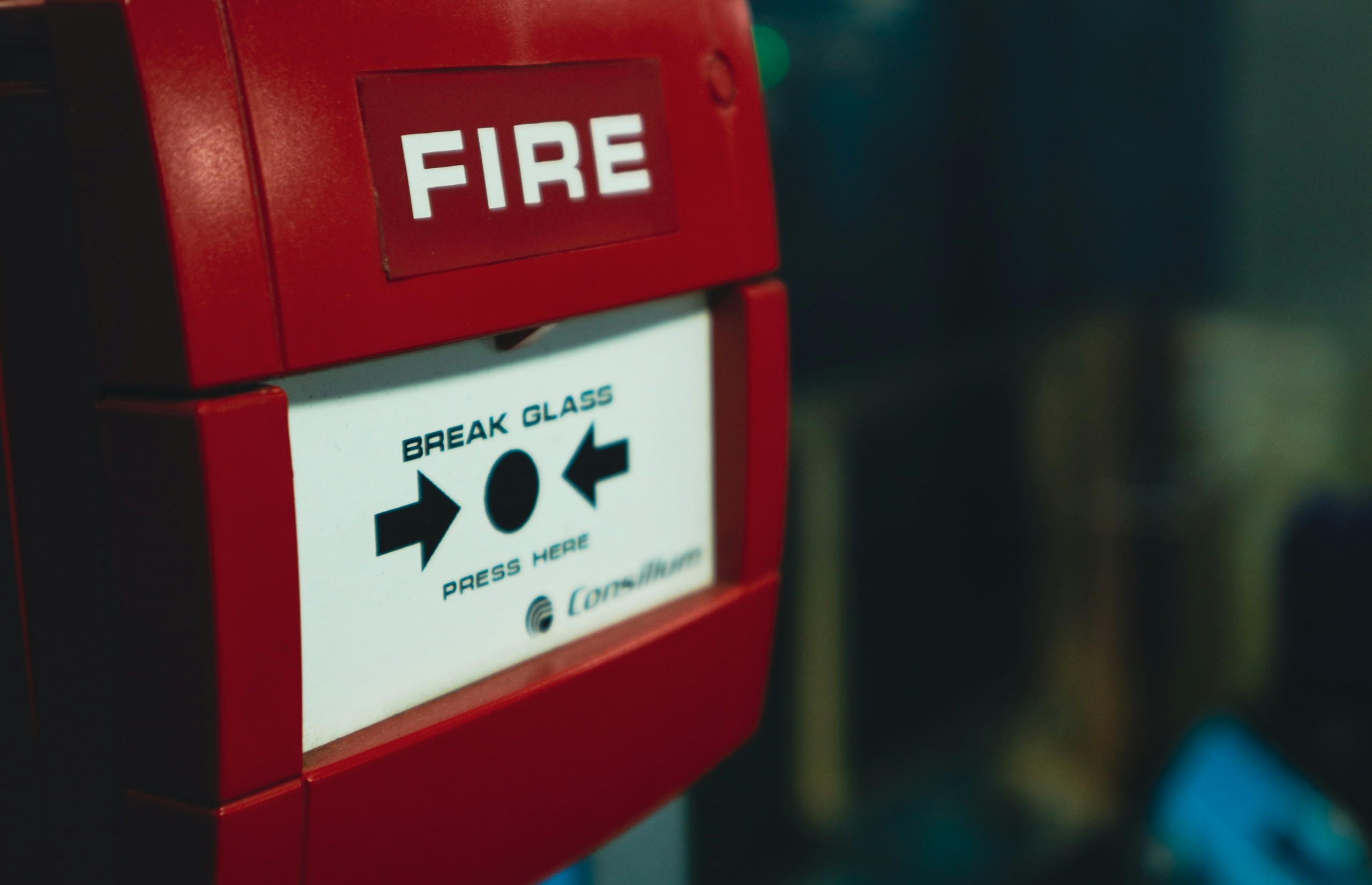
From Offices to HMOs: How Professional Fire Risk Assessments Protect People and Property
Fire safety is a critical concern for anyone responsible for managing buildings in the UK. Whether it is a busy office, a retail premises, a warehouse, or a residential property such as a House in Multiple Occupation (HMO), the risks associated with fire can be serious. One of the most effective ways to manage these risks is through a professional fire risk assessment.
A fire risk assessment is designed to identify potential hazards, evaluate existing fire safety measures, and recommend improvements where necessary. When carried out properly, it can help prevent fires, protect building occupants, and ensure compliance with UK fire safety regulations.
This article explores why professional fire risk assessments are so important and how they help protect both people and property across a wide range of building types.
Why Fire Safety Matters in Every Building
Fire can spread quickly and cause devastating damage in a very short period of time. In commercial and residential buildings alike, fires can threaten lives, destroy valuable assets, and disrupt businesses.
Many fires occur due to avoidable issues such as:
-
Faulty electrical equipment
-
Improper storage of flammable materials
-
Blocked fire exits
-
Poorly maintained fire safety systems
-
Lack of staff awareness or training
By identifying these risks early, fire risk assessments play a crucial role in preventing incidents before they occur.
Understanding Fire Risk Assessments
A fire risk assessment is a structured review of a building to identify fire hazards and evaluate how likely they are to cause harm.
The assessment typically includes:
-
Identifying potential ignition sources
-
Evaluating materials that could fuel a fire
-
Reviewing escape routes and evacuation procedures
-
Assessing fire detection and alarm systems
-
Checking firefighting equipment such as extinguishers
-
Considering how many people use the building and who may be at risk
The findings are then documented in a report that highlights potential risks and recommends actions to improve safety.
This process helps ensure that fire safety measures are appropriate for the type of building and the activities taking place within it.
Fire Risk Assessments for Offices and Workplaces
Office environments often appear relatively low risk, but they still present several fire hazards.
Common risks found in office buildings include:
-
Overloaded electrical sockets
-
Faulty appliances such as printers or kettles
-
Large amounts of paper and combustible materials
-
Blocked or poorly marked escape routes
A professional fire risk assessment ensures that these issues are identified and addressed before they become dangerous.
The assessment may recommend improvements such as:
-
Upgrading fire alarm systems
-
Installing additional fire extinguishers
-
Improving evacuation procedures
-
Ensuring emergency lighting is sufficient
For businesses, maintaining a safe workplace is not only a legal requirement but also an essential part of responsible management.
Fire Safety in HMOs and Residential Buildings
Fire safety is particularly important in residential properties such as HMOs (Houses in Multiple Occupation) and blocks of flats.
These buildings often house multiple occupants who may not be familiar with the layout of the property or evacuation procedures. In addition, shared kitchens, electrical appliances, and higher occupancy levels can increase the likelihood of fire.
A professional fire risk assessment for HMOs will typically evaluate:
-
Fire alarm systems and smoke detection
-
Fire doors and compartmentation
-
Escape routes and emergency lighting
-
Fire safety signage
-
Kitchen safety and electrical systems
Because residents may be sleeping when a fire starts, early detection and clear evacuation routes are especially important in these types of properties.
Local authorities may also impose specific fire safety requirements for HMOs, making professional assessments even more valuable.
Protecting Commercial and Industrial Properties
Larger commercial buildings, such as warehouses, factories, and retail premises, often present more complex fire safety challenges.
These environments may contain:
-
Large quantities of combustible materials
-
Machinery or equipment that generates heat
-
Flammable chemicals or fuels
-
High levels of electrical demand
Professional fire risk assessments help identify how these factors could contribute to a fire and what measures are required to control the risks.
In many cases, the assessment may lead to recommendations such as:
-
Enhanced fire detection systems
-
Improved fire compartmentation
-
Additional firefighting equipment
-
Revised evacuation plans for larger numbers of occupants
By addressing these risks early, businesses can reduce the likelihood of costly and dangerous incidents.
The Role of the Responsible Person
Under the Regulatory Reform (Fire Safety) Order 2005, every non-domestic premises must have a Responsible Person who ensures fire safety risks are assessed and managed.
This responsible person may be:
-
A business owner
-
An employer
-
A landlord
-
A building manager or facilities manager
Their duties include ensuring that fire risk assessments are carried out and that appropriate fire safety measures are maintained.
Failure to meet these responsibilities can lead to enforcement action, fines, or prosecution.
Professional fire risk assessments provide the documentation and guidance needed to demonstrate compliance with these legal obligations.
The Benefits of Professional Fire Risk Assessments
Although some basic fire risk assessments can be carried out internally, professional assessments offer several important advantages.
Expertise and Experience
Professional fire risk assessors understand current fire safety legislation and best practices. Their experience allows them to identify risks that may not be obvious to building managers.
Comprehensive Reporting
Professional assessments provide clear, structured reports that document hazards, risks, and recommended improvements.
These reports are valuable when demonstrating compliance to regulators, insurers, and safety inspectors.
Improved Safety Planning
Professional assessments often lead to better emergency planning, clearer evacuation procedures, and improved staff awareness.
This can significantly improve outcomes in the event of an emergency.
Long-Term Risk Reduction
By identifying hazards early, businesses and landlords can address problems before they lead to serious incidents.
This proactive approach protects both people and assets.
Fire Risk Assessments Should Be Regularly Reviewed
A fire risk assessment should never be considered a one-off exercise. Buildings and working environments change over time, which means fire risks can change as well.
Assessments should be reviewed when:
-
The building layout changes
-
New equipment is installed
-
The number of occupants increases
-
The nature of the business changes
Regular reviews ensure that fire safety measures remain appropriate and effective.
Creating Safer Buildings Through Professional Assessment
From offices and shops to warehouses and HMOs, fire safety must always be taken seriously. A well-conducted fire risk assessment provides the knowledge and guidance needed to reduce risks, improve safety procedures, and ensure compliance with UK regulations.
By investing in professional fire risk assessments, organisations demonstrate their commitment to protecting the people who live, work, and visit their buildings.
Ultimately, fire safety is about more than meeting legal requirements—it is about creating safer environments where risks are understood, managed, and minimised.