Fire Safety Compliance Explained: A Practical Guide for UK Businesses and Landlords
Fire safety is one of the most important legal and moral responsibilities for anyone responsible for a building in the UK. Whether you run a business, manage rental properties, or oversee commercial premises, ensuring fire safety compliance is essential for protecting lives, safeguarding property, and meeting legal obligations.
Despite this, many businesses and landlords are unsure exactly what fire safety compliance involves or what steps they must take to meet current regulations. Understanding the requirements can help prevent costly mistakes, reduce risks, and create safer environments for everyone who uses your building.
This guide explains what fire safety compliance means in the UK, who is responsible for it, and the key steps businesses and landlords should take to ensure their premises meet the required standards.
What Is Fire Safety Compliance?
Fire safety compliance refers to meeting the legal requirements and safety standards designed to reduce the risk of fire and protect building occupants.
In the UK, the main legislation governing fire safety is the Regulatory Reform (Fire Safety) Order 2005. This law applies to almost all non-domestic premises, including workplaces and communal areas of residential buildings.
The purpose of this legislation is to ensure that buildings are properly assessed for fire risks and that suitable measures are put in place to prevent fires and manage emergencies effectively.
Fire safety compliance typically includes:
-
Conducting a fire risk assessment
-
Installing and maintaining fire detection systems
-
Providing appropriate fire extinguishers
-
Ensuring safe evacuation routes
-
Implementing fire safety procedures
-
Providing staff training where required
By meeting these requirements, organisations demonstrate that they are taking reasonable steps to protect people from fire-related risks.
Who Is Responsible for Fire Safety?
Under UK fire safety law, the responsibility for compliance lies with the “Responsible Person.”
The responsible person may include:
-
Business owners
-
Employers
-
Landlords
-
Building owners
-
Facilities managers
-
Property management companies
In many cases, more than one party may share responsibility, particularly in multi-occupied buildings.
The responsible person must ensure that fire safety risks are identified and controlled, and that suitable precautions are in place to protect occupants.
The Importance of a Fire Risk Assessment
One of the most important aspects of fire safety compliance is carrying out a fire risk assessment.
This assessment identifies potential fire hazards, evaluates the level of risk, and recommends actions to reduce those risks.
A fire risk assessment typically considers:
-
Sources of ignition such as electrical equipment or heating systems
-
Flammable materials or waste that could fuel a fire
-
The number of people who may be present in the building
-
Emergency escape routes and exits
-
Fire detection and alarm systems
-
Firefighting equipment
If your business employs five or more people, the findings of the fire risk assessment must be recorded in writing.
Regular reviews are also required to ensure the assessment remains up to date.
Key Fire Safety Measures Businesses Must Implement
To comply with fire safety regulations, businesses and landlords must ensure that several key safety measures are in place.
Fire Detection and Alarm Systems
Fire alarm systems provide early warning of a fire, allowing occupants to evacuate safely.
Depending on the building type and risk level, systems may include:
-
Smoke detectors
-
Heat detectors
-
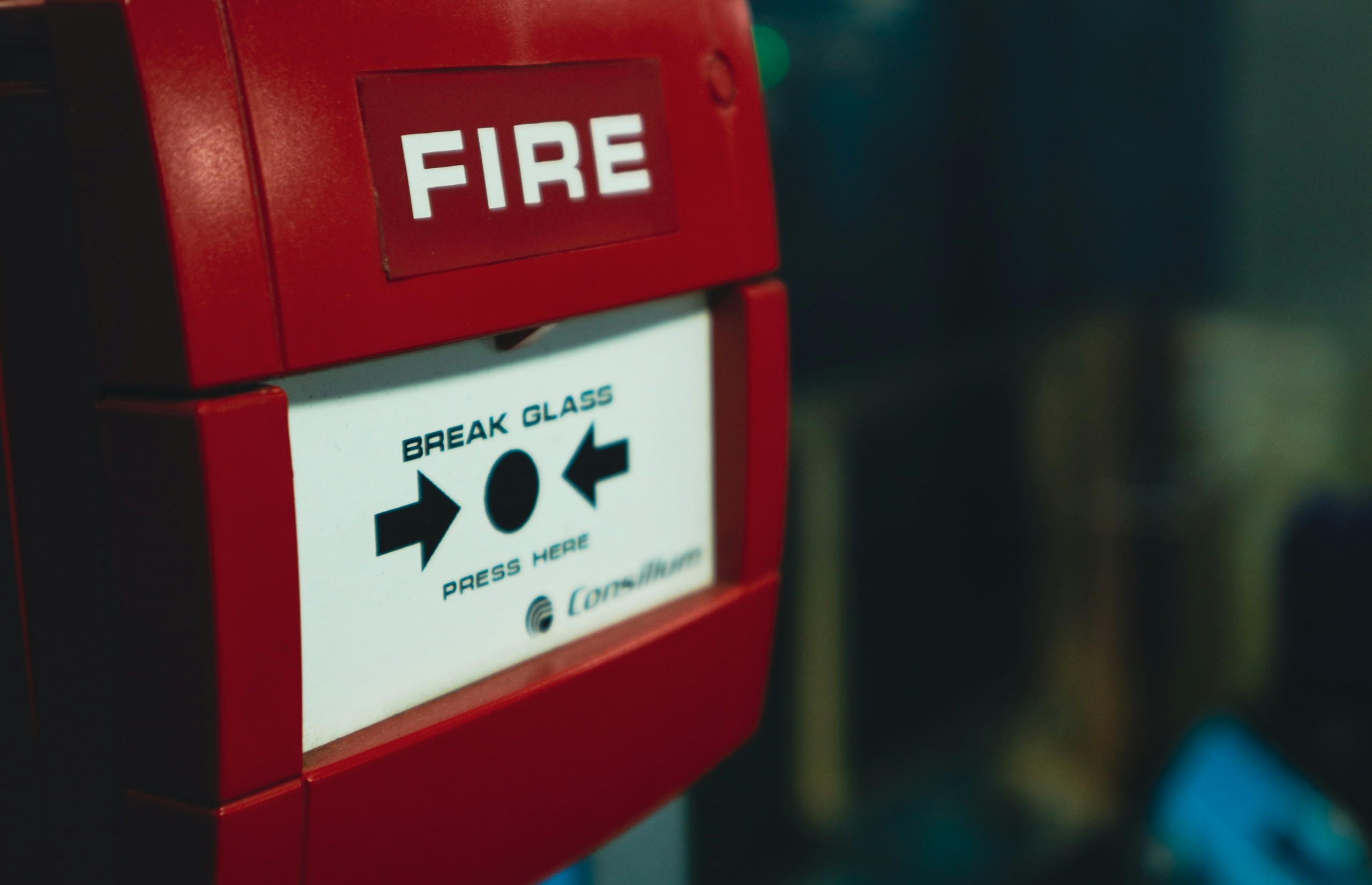
Manual call points
-
Central alarm panels
Regular maintenance and testing are essential to ensure alarms function correctly.
Fire Extinguishers and Firefighting Equipment
Suitable firefighting equipment must be available throughout the building.
Common types include:
-
Water extinguishers
-
Foam extinguishers
-
CO₂ extinguishers
-
Dry powder extinguishers
The correct type and number of extinguishers depend on the specific fire risks present within the building.
Emergency Escape Routes
All buildings must have clear, accessible escape routes that allow occupants to exit quickly and safely in an emergency.
This includes ensuring that:
-
Fire exits remain unobstructed
-
Exit routes are clearly marked with signage
-
Emergency lighting is installed where necessary
-
Doors open easily in the direction of escape
Regular inspections help ensure these routes remain usable at all times.
Fire Doors and Compartmentation
Fire doors play a vital role in slowing the spread of fire and smoke throughout a building.
Properly installed and maintained fire doors help protect escape routes and provide additional time for evacuation.
Routine inspections are necessary to ensure fire doors are functioning correctly and have not been damaged or altered.
Fire Safety Training for Staff
Employees should understand what to do if a fire occurs.
Basic fire safety training should include:
-
How to raise the alarm
-
Evacuation procedures
-
The location of fire exits
-
The safe use of fire extinguishers (if appropriate)
Regular fire drills help ensure everyone is familiar with evacuation procedures.
Fire Safety Responsibilities for Landlords
Landlords also have important responsibilities when it comes to fire safety.
In residential buildings such as HMOs (Houses in Multiple Occupation) and blocks of flats, landlords must ensure that communal areas meet fire safety requirements.
This may include:
-
Fire risk assessments for communal spaces
-
Fire alarm systems
-
Emergency lighting
-
Fire doors and compartmentation
-
Clear evacuation routes
Local authorities may also have additional requirements for certain property types.
The Risks of Non-Compliance
Failing to comply with fire safety regulations can lead to serious consequences.
Fire authorities have the power to issue:
-
Enforcement notices requiring safety improvements
-
Prohibition notices preventing the use of unsafe buildings
-
Fines or prosecution for serious breaches
Beyond legal penalties, non-compliance can also result in:
-
Increased insurance costs
-
Business disruption
-
Damage to reputation
-
Serious injury or loss of life
Taking proactive steps to ensure fire safety compliance helps avoid these risks.
The Value of Professional Fire Safety Support
Because fire safety regulations can be complex, many organisations choose to work with professional fire safety consultants.
Experienced fire safety professionals can assist with:
-
Fire risk assessments
-
Fire strategy reports
-
Safety audits and inspections
-
Fire safety training
-
Compliance guidance
Professional advice helps ensure that safety measures meet current regulations and industry best practices.
Creating a Safer Environment for Everyone
Fire safety compliance is not simply about meeting legal requirements—it is about creating safe spaces where people can live, work, and visit with confidence.
By identifying risks, implementing preventative measures, and maintaining effective safety procedures, businesses and landlords can significantly reduce the likelihood of fire incidents.
A proactive approach to fire safety not only protects people and property but also demonstrates a commitment to responsible building management and long-term safety.