UK Fire Risk Assessments Explained: What Every Business Owner Needs to Know in 2026
Fire safety is not just a box-ticking exercise for UK businesses. It is a legal responsibility, a moral duty, and a critical part of protecting people, property, and continuity. As regulations tighten and enforcement becomes more robust, understanding fire risk assessments has never been more important.
Whether you run a small office, manage a block of flats, oversee a warehouse, or operate a large commercial site, a proper fire risk assessment is the foundation of compliance and safety.
This guide explains what a UK fire risk assessment is, why it matters, who needs one, and what business owners should expect in 2026 and beyond.
What Is a Fire Risk Assessment?
A fire risk assessment is a structured review of a building to identify potential fire hazards, assess the level of risk to occupants, and determine what measures are needed to reduce or remove those risks.
Under UK law, the aim is simple:
-
Identify fire hazards
-
Identify people at risk
-
Reduce risks as far as reasonably practicable
-
Put clear safety measures in place
A fire risk assessment is not a one-off document. It must be kept up to date, reviewed regularly, and revised when changes occur within a building or how it is used.
Why Fire Risk Assessments Are a Legal Requirement
In England and Wales, fire risk assessments are required under the Regulatory Reform (Fire Safety) Order 2005. Similar legislation applies in Scotland and Northern Ireland.
The law places responsibility on the “Responsible Person”, which may be:
-
A business owner
-
An employer
-
A landlord or managing agent
-
Anyone with control over a premises
Failing to have a suitable and sufficient fire risk assessment can lead to:
-
Enforcement notices
-
Prosecution
-
Heavy fines
-
Imprisonment in serious cases
Fire safety legislation has evolved rapidly following high-profile incidents, and enforcement bodies are increasingly proactive. In 2026, businesses can expect even greater scrutiny.
Which Premises Need a Fire Risk Assessment?
Most non-domestic buildings in the UK require a fire risk assessment, including:
-
Offices and shared workspaces
-
Shops and retail units
-
Warehouses and industrial buildings
-
Schools and educational facilities
-
Healthcare premises
-
HMOs and blocks of flats (communal areas)
-
Hotels, care homes, and guest accommodation
Even small businesses with only a handful of employees are not exempt. If people work in or visit your premises, a fire risk assessment is almost certainly required.
What Does a Fire Risk Assessment Cover?
A professional fire risk assessment examines a wide range of factors, including:
Fire Hazards
This includes ignition sources such as electrical equipment, heating systems, and hot works, along with combustible materials and oxygen sources.
People at Risk
Assessors consider employees, visitors, contractors, and anyone who may be particularly vulnerable, such as people with mobility issues.
Means of Escape
Escape routes, emergency exits, signage, lighting, and evacuation plans are reviewed to ensure people can leave the building safely.
Fire Detection and Warning Systems
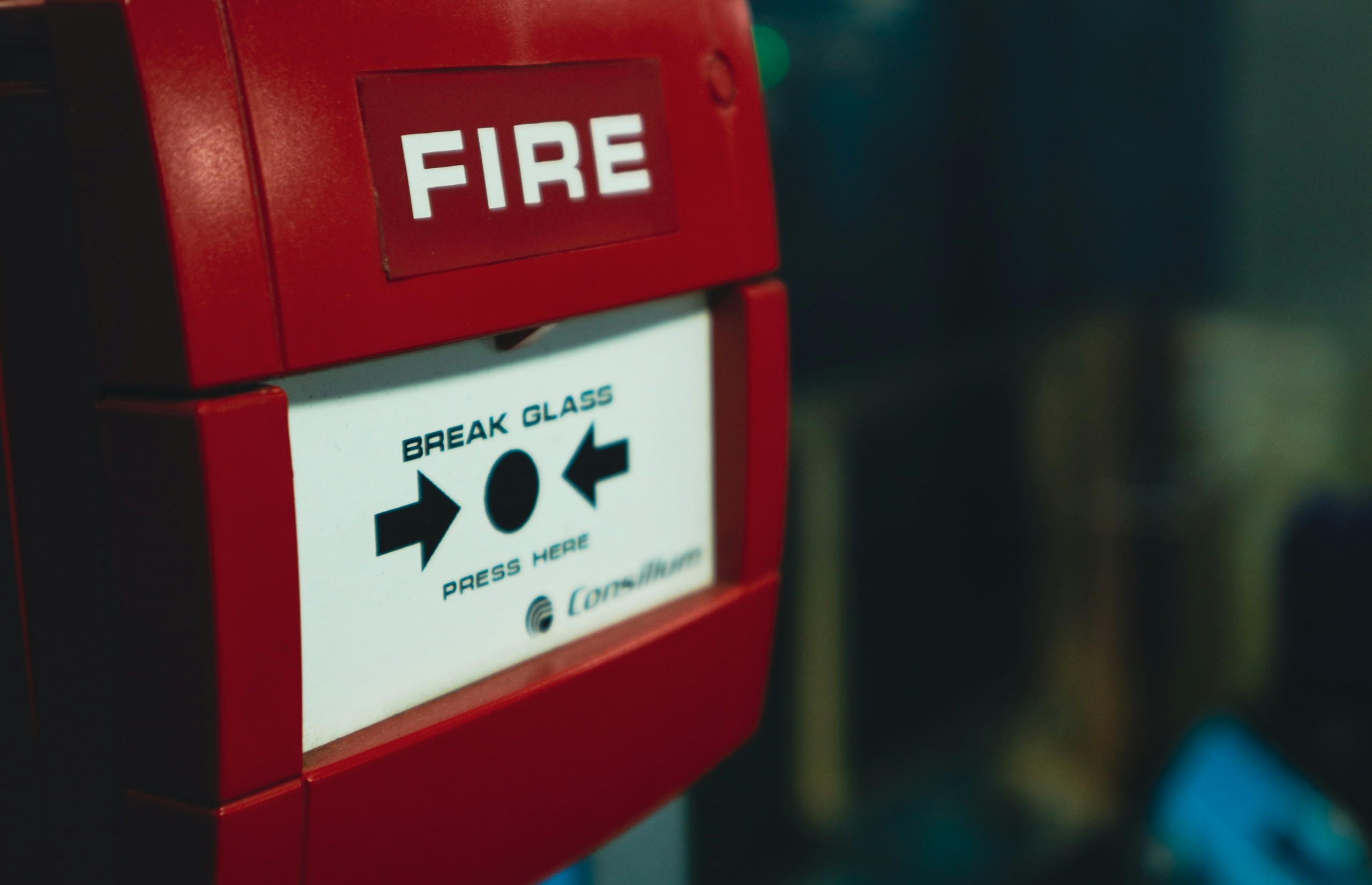
Fire alarms, call points, detectors, and sounders are checked to ensure early warning in the event of a fire.
Fire Protection Measures
This includes fire doors, compartmentation, fire stopping, extinguishers, and suppression systems.
Management and Training
Assessors also review staff training, fire drills, maintenance records, and fire safety policies.
How Often Should a Fire Risk Assessment Be Reviewed?
There is no fixed timeframe set in law, but best practice is:
-
Annually for most premises
-
Whenever significant changes occur
-
After building works or refurbishments
-
When the layout or occupancy changes
-
After a fire or near-miss incident
In 2026, insurers and enforcing authorities increasingly expect documented evidence that assessments are actively reviewed and not left untouched for years.
The Importance of Using a Competent Fire Risk Assessor
While very small, low-risk premises may be able to carry out basic assessments internally, most UK businesses benefit from using a competent, independent fire risk assessor.
A professional assessor:
-
Understands current legislation and guidance
-
Identifies issues that are often overlooked
-
Produces clear, actionable reports
-
Helps prioritise works based on risk
-
Supports ongoing compliance
Poor-quality or generic assessments are a common reason businesses fail inspections. A thorough, site-specific report can make the difference between compliance and enforcement action.
Fire Risk Assessments and Insurance
Insurers increasingly rely on up-to-date fire risk assessments when underwriting commercial policies. An inadequate or outdated assessment can:
-
Delay claims
-
Reduce payouts
-
Invalidate cover altogether
Conversely, a professional fire risk assessment can demonstrate due diligence and may help secure more favourable insurance terms.
Fire Safety Expectations in 2026
As fire safety regulation continues to evolve, business owners should expect:
-
Greater emphasis on documentation and evidence
-
More frequent inspections
-
Increased focus on fire doors and compartmentation
-
Tighter scrutiny of high-risk and multi-occupancy buildings
Fire risk assessments are no longer seen as static paperwork. They are living documents that must reflect how buildings are actually used.
Taking Fire Safety Seriously
A well-prepared fire risk assessment protects lives, safeguards businesses, and demonstrates responsible management. It is not about fear or compliance for compliance’s sake; it is about ensuring that everyone who enters a building can leave safely if the worst happens.
For UK business owners, understanding fire risk assessments is the first step towards creating safer, legally compliant premises now and in the years ahead.